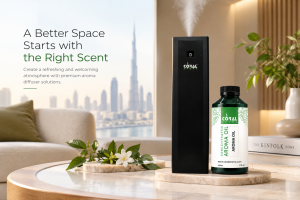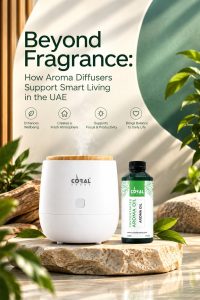
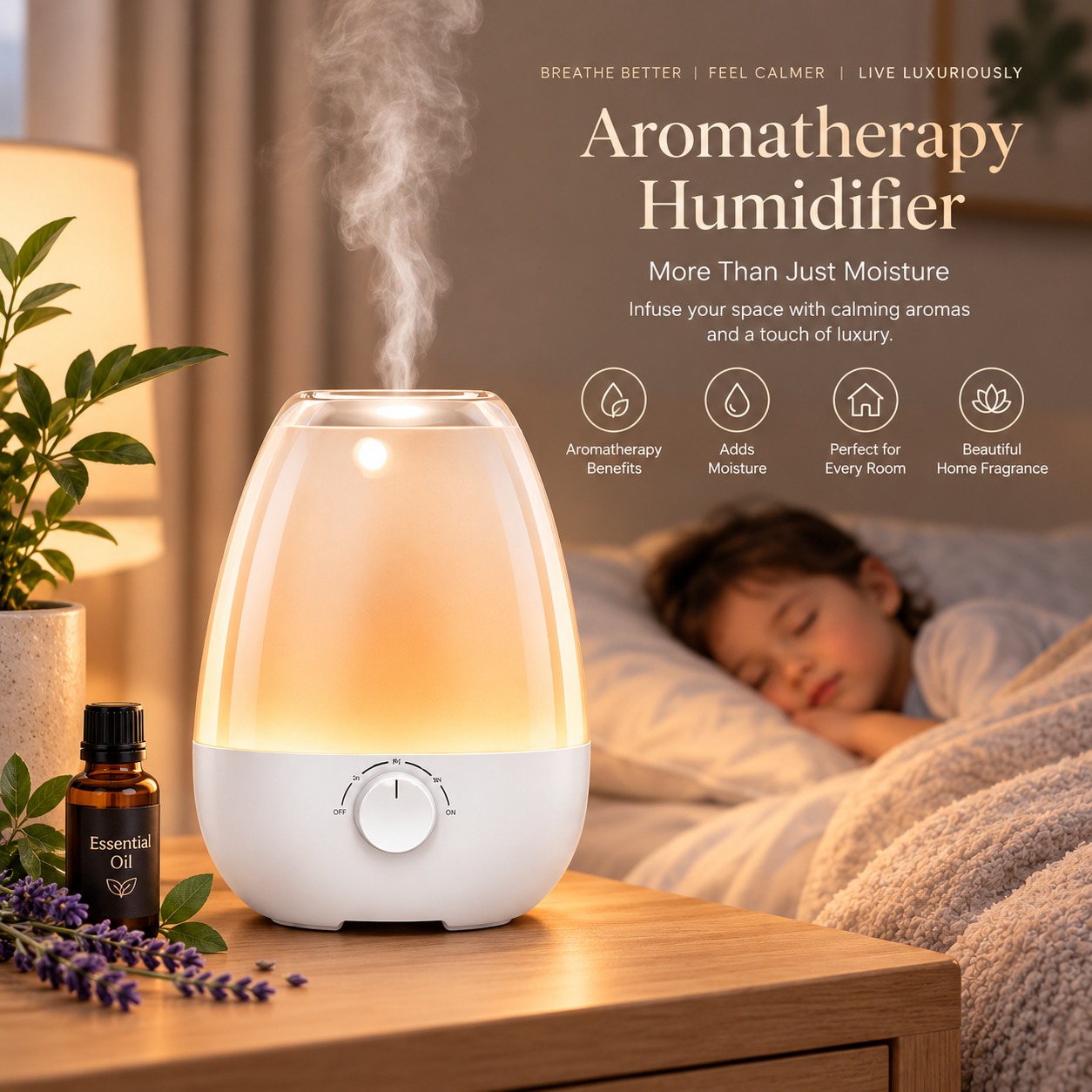
A luxurious home is defined by more than elegant furniture, beautiful lighting, and carefully chosen décor. Its scent also plays an important role in shaping the atmosphere. A fresh, balanced aroma can make a space feel welcoming, relaxing, and memorable, influencing how residents and guests experience their surroundings.
Creating a sophisticated scent does not necessarily require expensive products. The secret lies in maintaining cleanliness, choosing quality fragrances, understanding scent combinations, and selecting suitable diffusion methods. An aromatherapy humidifier can help distribute fragrance throughout a room, while carefully selected scent notes create an inviting atmosphere. By combining these elements thoughtfully, you can develop a distinctive fragrance experience that makes your home feel luxurious every day.
1. Start with a Clean and Fresh Environment
Cleanliness is the foundation of a luxurious scent. Even the most expensive fragrance cannot effectively mask unpleasant odours caused by rubbish, damp fabrics, cooking residues, or poorly ventilated spaces.
Begin by cleaning frequently used areas, washing curtains and cushion covers regularly, and keeping carpets and upholstery free from trapped odours. Open windows when outdoor conditions permit to refresh indoor air. Address moisture problems promptly and ensure kitchens and bathrooms are adequately ventilated.
Once unwanted smells have been eliminated, fragrances can develop naturally without competing with lingering odours. This creates a cleaner, more balanced atmosphere.
2. Choose High-Quality Fragrance Ingredients
The quality of fragrance ingredients significantly influences how a scent develops and lasts. Premium fragrance compositions often combine multiple notes to create depth rather than delivering a single, overpowering smell.
Natural ingredients, including certain essential oils and botanical extracts, can provide distinctive aromas. However, their quality, stability, and longevity vary. Synthetic fragrance ingredients can also offer consistency, creative complexity, and improved stability when properly formulated.
Rather than choosing products solely because they are labelled natural or premium, consider the fragrance composition, ingredient transparency, intended use, and product quality. Select products suitable for your household and follow the manufacturer’s safety instructions.
3. Layer Fragrances for a Sophisticated Experience
Fragrance layering involves combining complementary scents across different elements of a room. When done carefully, it creates a more complete sensory experience.
For example, fresh citrus notes can introduce brightness, floral aromas can add softness, and subtle woody notes can provide warmth. You might use a gentle diffuser in the living room, a suitable linen mist in the bedroom, and a complementary fragrance near the entrance.
The key is consistency. Choose one dominant fragrance family and support it with compatible aromas. Too many competing scents can make a space feel overwhelming rather than refined.
4. Select Fragrance Notes That Suit Your Home
Different fragrance families create different moods. Understanding their characteristics helps you select a scent that matches your interior design and personal preferences.
- Woody: Sandalwood, cedarwood, and similar notes create a warm, grounded atmosphere.
- Floral: Rose, jasmine, and other floral notes can make rooms feel elegant and welcoming.
- Fresh and citrus: Lemon, bergamot, and green notes offer a clean, uplifting impression.
- Spicy: Cinnamon, cardamom, and related notes add warmth and depth.
- Gourmand: Vanilla and soft sweet notes can create a cosy, comforting atmosphere.
For a sophisticated result, consider the room’s purpose. Fresh fragrances may suit entrances and workspaces, while soft floral or woody blends can complement bedrooms and relaxation areas.
5. Choose the Right Fragrance Dispersion Method
The way fragrance enters a room affects its intensity, consistency, and overall experience. Consider the size of the space, your preferred scent strength, maintenance requirements, and household safety.
Diffusers and candles
A high-quality aromatherapy humidifier can disperse compatible fragrance oils without an open flame, depending on its technology. Cold-air diffusers, for example, use specialised atomisation to distribute fragrance without heating the oil. Choose a model with suitable coverage and adjustable intensity for your room.
Scented candles provide both fragrance and ambient lighting. Use them on stable, heat-resistant surfaces, keep them away from combustible materials, and never leave a burning candle unattended.
Room sprays and linen mists
Room sprays offer a quick way to refresh an area before guests arrive. Linen mists can add a light scent to suitable fabrics when the product label permits such use. Always test fabric compatibility and avoid spraying products directly onto sensitive materials.
Potpourri and natural elements
Dried flowers, botanical arrangements, and potpourri can provide decorative appeal alongside subtle fragrance. Their scent may be gentler and less consistent than that of powered devices, making them suitable for smaller areas or decorative displays.
What about humidifiers?
A humidifier with fragrance may appear convenient, but not every humidifier is designed for essential oils or perfume. Adding oils to a water tank that is not intended for them can damage the appliance or affect its operation. Choose a device specifically designed for fragrance use, or use a separate diffuser alongside a conventional humidifier.
The broader concept of home fragrance is about creating a consistent atmosphere through suitable products, balanced scent combinations, and thoughtful placement rather than simply making every room smell strong.
6. Make Your Home Scent Last Longer
Fragrance longevity depends on the ingredients, environment, airflow, and dispersion method. To maintain a pleasant scent:
- Follow the product’s recommended usage and refill schedule.
- Position diffusers where fragrance can circulate without being immediately carried away by strong airflow.
- Choose appropriate fragrance intensity for the room’s size.
- Keep fabrics and soft furnishings clean so that unwanted odours do not interfere.
- Use compatible products with complementary notes instead of repeatedly mixing unrelated fragrances.
A consistent, subtle aroma generally creates a more luxurious impression than an excessively strong scent.
7. Adapt Fragrances to Seasons and Occasions
Changing your scent selection throughout the year keeps your home atmosphere interesting. Light citrus, green, and fresh floral notes may suit warmer months, while amber, woody, and gentle spicy notes can create a cosy feeling during cooler weather.
For celebrations or gatherings, a soft fragrance near the entrance can establish a welcoming first impression. For everyday living, choose a balanced scent that remains comfortable over extended periods.
Consider household sensitivities, pets, children, and ventilation when selecting fragrance products. Use each product according to its safety guidance and avoid excessive fragrance intensity.
Frequently Asked Questions
1. How can I make my home smell luxurious naturally?
Keep your home clean, ventilate rooms when practical, wash fabrics regularly, and consider botanical fragrances or suitable essential-oil products. Natural ingredients can still cause sensitivities, so use them thoughtfully.
2. What is the best way to maintain a consistent home scent?
Choose a complementary fragrance family, use an appropriate diffusion method, and follow the manufacturer’s guidance for operating times and refills.
3. Which fragrance notes make a home smell expensive?
Woody, amber, soft floral, and balanced citrus notes can create a refined impression. The best choice depends on your preferences and how the fragrance works within your space.
4. Can I put essential oils in any humidifier?
No. Only use essential oils or fragrances in appliances explicitly designed for them. Check the manufacturer’s instructions to prevent damage and ensure safe operation.
5. How strong should a luxury home fragrance be?
It should be noticeable without being overpowering. Start with a low intensity and adjust according to room size, ventilation, and the comfort of everyone in the household.
Conclusion
A luxurious home scent comes from a combination of cleanliness, quality ingredients, complementary fragrance notes, and appropriate diffusion methods. By choosing scents that suit each room, maintaining a consistent yet subtle aroma, and adapting fragrances to different seasons and occasions, you can create an atmosphere that feels personal and welcoming.
Experiment with different fragrance families, observe how they develop in your home, and gradually discover a signature scent that reflects your style. True fragrance luxury is not about intensity; it is about creating a balanced, memorable experience.