A pleasant indoor fragrance depends on more than selecting an attractive aroma. Maintaining consistent scent performance requires attention to equipment condition, fragrance oil quality and the settings used during operation. Whether a diffuser is installed in a hotel, office, retail store, restaurant or residential property, these factors influence how effectively fragrance is distributed throughout the environment.
Many businesses invest in professional scenting systems to create welcoming indoor experiences. However, without appropriate maintenance and operating practices, fragrance distribution may become inconsistent, oil consumption may increase and equipment performance may be affected. Understanding how these elements work together helps users maintain a reliable fragrance experience while making informed decisions about their scenting requirements.
1. Why Regular Diffuser Maintenance Matters
Regular maintenance is an important part of keeping a fragrance diffusion system operating effectively. Over time, dust, oil residue and environmental particles may accumulate around certain components, potentially affecting the movement of fragrance through the equipment.
For commercial environments such as hotels, clinics, offices and shopping spaces, consistent operation is particularly important because visitors and employees experience the indoor atmosphere throughout the day.
Basic maintenance considerations include:
- Inspecting the exterior and fragrance outlets regularly.
- Checking the oil container for residue or leakage.
- Keeping air openings free from dust and obstructions.
- Following the manufacturer’s cleaning instructions.
- Checking connections and power components for visible damage.
- Monitoring fragrance output for unexpected changes.
Maintenance frequency depends on equipment design, operating hours and the fragrance oil being used. Following the manufacturer’s recommendations is preferable to applying cleaning methods that may damage internal components.
2. How Aroma Oil Quality Influences Fragrance Performance
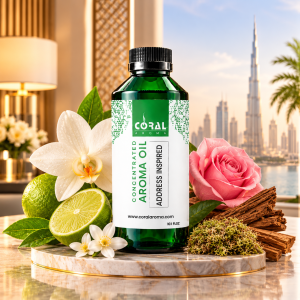
Fragrance oil quality plays a significant role in the overall scenting experience. Different formulations have different characteristics, including viscosity, fragrance concentration and compatibility with diffusion technology.
Using suitable aroma oil helps support consistent fragrance delivery and reduces the risk of problems associated with incompatible materials. Oils that are excessively thick or contain unsuitable additives may affect the movement of fragrance through certain diffusion systems.
Before selecting an oil, consider the following factors:
Compatibility: Always choose fragrance oils recommended for the particular diffuser technology. Not every oil is suitable for every machine.
Consistency: A suitable formulation helps maintain predictable diffusion and fragrance delivery.
Storage: Keep aroma oils in properly closed containers, away from direct sunlight and excessive heat.
Freshness: Follow the supplier’s storage recommendations and avoid using oils that show unexpected changes in appearance or smell.
Fragrance preference: Select a scent profile appropriate for the environment, whether the objective is a refreshing retail atmosphere, a welcoming hotel experience or a comfortable office setting.
Choosing suitable fragrance oils is not simply about selecting a pleasant aroma. It is also about ensuring that the formulation works effectively with the equipment.
3. Understanding the Role of Machine Settings
Even a well-maintained diffuser with suitable fragrance oil may not deliver the desired experience if its operating settings are poorly adjusted.
Fragrance intensity, operating intervals and daily schedules influence how much aroma is released into an environment. The appropriate configuration depends on room dimensions, ventilation, occupancy and the desired fragrance level. These adjustments are important for any aroma diffuser machine, particularly when it operates for extended periods in a commercial space.
Three important settings deserve attention:
Fragrance intensity: Higher intensity may produce a stronger scent, but maximum output is not always necessary. Moderate settings can be more appropriate for spaces where people spend extended periods.
Operating schedules: Matching diffuser operation to business hours can help avoid unnecessary operation when an area is unoccupied.
Diffusion intervals: Adjusting working and pause periods can help maintain a more balanced fragrance experience.
For example, a hotel reception area may require a different operating schedule from a private office or retail showroom. Reviewing the settings according to actual usage helps businesses maintain suitable indoor ambience without unnecessary fragrance consumption.
4. How Environmental Conditions Affect Scent Distribution
The surrounding environment also influences fragrance performance. Room size, ceiling height, air conditioning, ventilation and furniture placement can all affect how fragrance moves through an indoor space.
In the UAE, indoor environments frequently rely on air conditioning, making airflow an important consideration when planning commercial scent distribution.
Large open areas may require different diffuser placement from smaller enclosed rooms. Similarly, strong ventilation can influence how quickly fragrance moves or disperses.
Businesses should consider:
- The total area requiring fragrance coverage.
- Air conditioning and ventilation patterns.
- The position of entrances and frequently used walkways.
- Areas with limited airflow.
- The number of people regularly occupying the space.
Correct positioning and suitable operating settings work together to create a more consistent scenting experience.
5. Managing Aroma Consumption Without Compromising Comfort
Efficient fragrance management involves balancing the desired scent intensity with operating duration and oil consumption.
Running a diffuser continuously at maximum output may not be necessary for every environment. Instead, businesses can establish schedules based on occupancy and daily activities.
For example, retail stores may prioritise operating hours, while offices may require fragrance distribution during working periods. Hotels and hospitality spaces may need different schedules for reception areas and guest-facing environments.
Monitoring oil levels and reviewing consumption patterns can also help businesses plan refills and manage ongoing operating costs.
The objective should be to maintain a comfortable fragrance environment rather than simply increasing the amount of oil released.
6. Choosing Equipment Designed for Consistent Long-Term Operation
When selecting an aroma diffuser machine, buyers should look beyond appearance and consider its technology, coverage, controls, maintenance requirements and compatibility with suitable fragrance oils.
Cold-air diffusion is one technology used in professional scenting systems. It disperses pure aroma oil without requiring heat or added water, making it suitable for environments that need a water-free fragrance solution.
A suitable commercial diffuser should also offer practical operating controls, sufficient coverage and a design that supports routine maintenance.
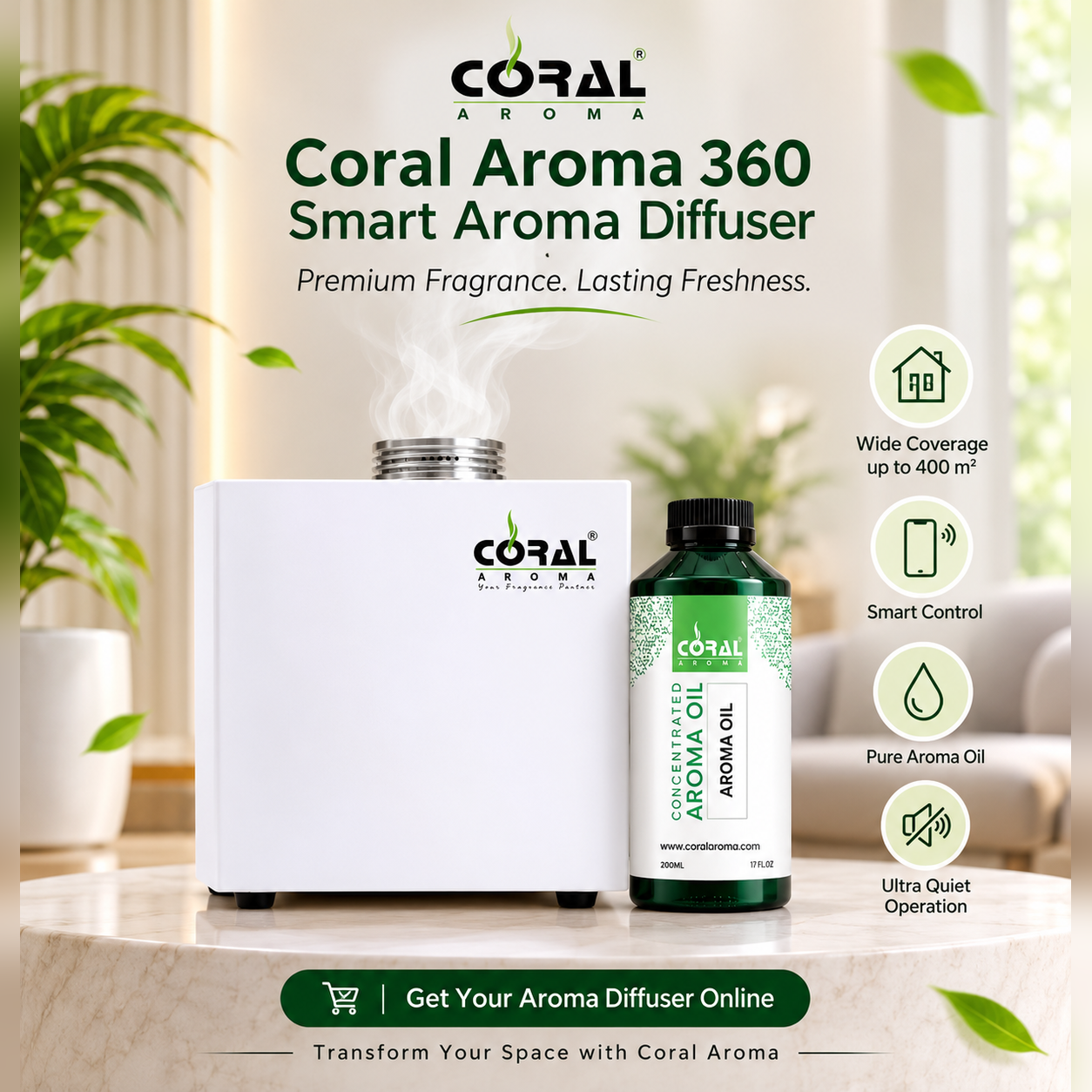
For larger environments, the Coral Aroma 360 Smart Aroma Diffuser offers several features designed to support professional fragrance distribution.
Its specifications include:
- Coverage of up to 400 m² or 1,200 m³.
- Cold-air diffusion technology.
- Five fragrance outlets for wider scent distribution.
- Smart app control through Bluetooth.
- Adjustable fragrance intensity and daily scheduling.
- A 500 ml refill bottle.
- Premium metal construction.
- Operating noise below 40 dBA.
- A one-year UAE warranty.
- One complimentary 200 ml aroma oil.
These features provide practical options for managing fragrance distribution across larger residential and commercial environments, including hotels, offices, shops, salons, clinics, restaurants and villas.
7. What to Consider Before Purchasing a Diffuser Online
Finding the right equipment involves more than comparing prices and external designs. Buyers should understand their space requirements and evaluate the technical specifications before making a purchase.
When researching an aroma diffuser online, consider these important factors:
Coverage capacity: Check whether the machine supports the total area or volume of the intended space.
Diffusion technology: Understand whether the system uses cold-air diffusion, ultrasonic technology or another method.
Oil compatibility: Confirm which fragrance formulations are suitable for the equipment.
Control options: Look for useful features such as scheduling and adjustable intensity.
Maintenance requirements: Review cleaning instructions, refill arrangements and servicing considerations.
Warranty: Check the warranty period and what it covers.
Technical support: Choose a supplier that provides clear product information and assistance.
For UAE customers, delivery availability, warranty support and suitability for local commercial environments are also important purchasing considerations.
Making an informed comparison helps avoid choosing equipment that does not meet the actual requirements of the space.
8. Building a Consistent Fragrance Maintenance Routine
A simple maintenance routine can help businesses monitor equipment condition and identify potential problems before they affect the overall scenting experience.
A practical routine should include regular visual inspections, checking fragrance levels, reviewing machine settings and cleaning the equipment according to manufacturer instructions.
Businesses using professional scenting systems should also maintain records of oil refills, maintenance activities and any changes in fragrance output.
For example, if a fragrance becomes noticeably weaker, checking the oil level, diffusion outlets and operating schedule can help identify possible causes. If the issue continues, consulting the equipment supplier or service provider is advisable.
When evaluating an aroma diffuser online, buyers should also consider whether the supplier provides clear maintenance guidance and after-sales assistance. This information can help them plan for long-term equipment care.
Consistent monitoring helps businesses manage their fragrance systems more effectively and supports long-term equipment care.
Frequently Asked Questions (FAQs)
- How often should an aroma diffuser be cleaned?
Cleaning frequency depends on the machine design, oil formulation and usage. Follow the manufacturer’s recommended maintenance schedule and cleaning instructions.
- Can low-quality aroma oil affect diffuser performance?
Yes. Incompatible or unsuitable oils may affect diffusion consistency and can contribute to residue accumulation or equipment problems. Always use oils recommended for the specific machine.
- Why is my diffuser producing a weaker fragrance than before?
Possible reasons include low oil levels, unsuitable fragrance oil, blocked outlets, incorrect settings or changes in airflow. Inspect the equipment and follow the manufacturer’s troubleshooting guidance.
- Does higher fragrance intensity always provide better coverage?
No. Higher intensity does not necessarily improve distribution. Room dimensions, airflow, placement and operating schedules also influence the overall fragrance experience.
- Is cold-air diffusion suitable for commercial environments?
Cold-air diffusion can be suitable for commercial scenting because it disperses fragrance oil without heat or added water. The Coral Aroma 360 Smart Aroma Diffuser is one option designed for larger spaces, with coverage and control features that support professional fragrance distribution.
- What should businesses look for in a professional scenting system?
Businesses should evaluate coverage capacity, diffusion technology, fragrance compatibility, operating controls, maintenance requirements and warranty support before selecting a system.
Conclusion
Long-term fragrance performance depends on the relationship between equipment maintenance, suitable aroma oil and correctly configured machine settings. Regular inspections, compatible fragrance formulations and appropriate operating schedules can help maintain consistent scent distribution while supporting efficient oil consumption.
For businesses and property owners in the UAE, choosing equipment with suitable coverage, flexible controls and reliable technical specifications is an important part of developing an effective indoor scenting strategy. By combining proper maintenance with thoughtful fragrance management, it becomes easier to create welcoming environments and maintain a pleasant indoor atmosphere over time.